System-level thinking
Mechanical, structural, electrical, control and operational requirements are considered as parts of the same working system.

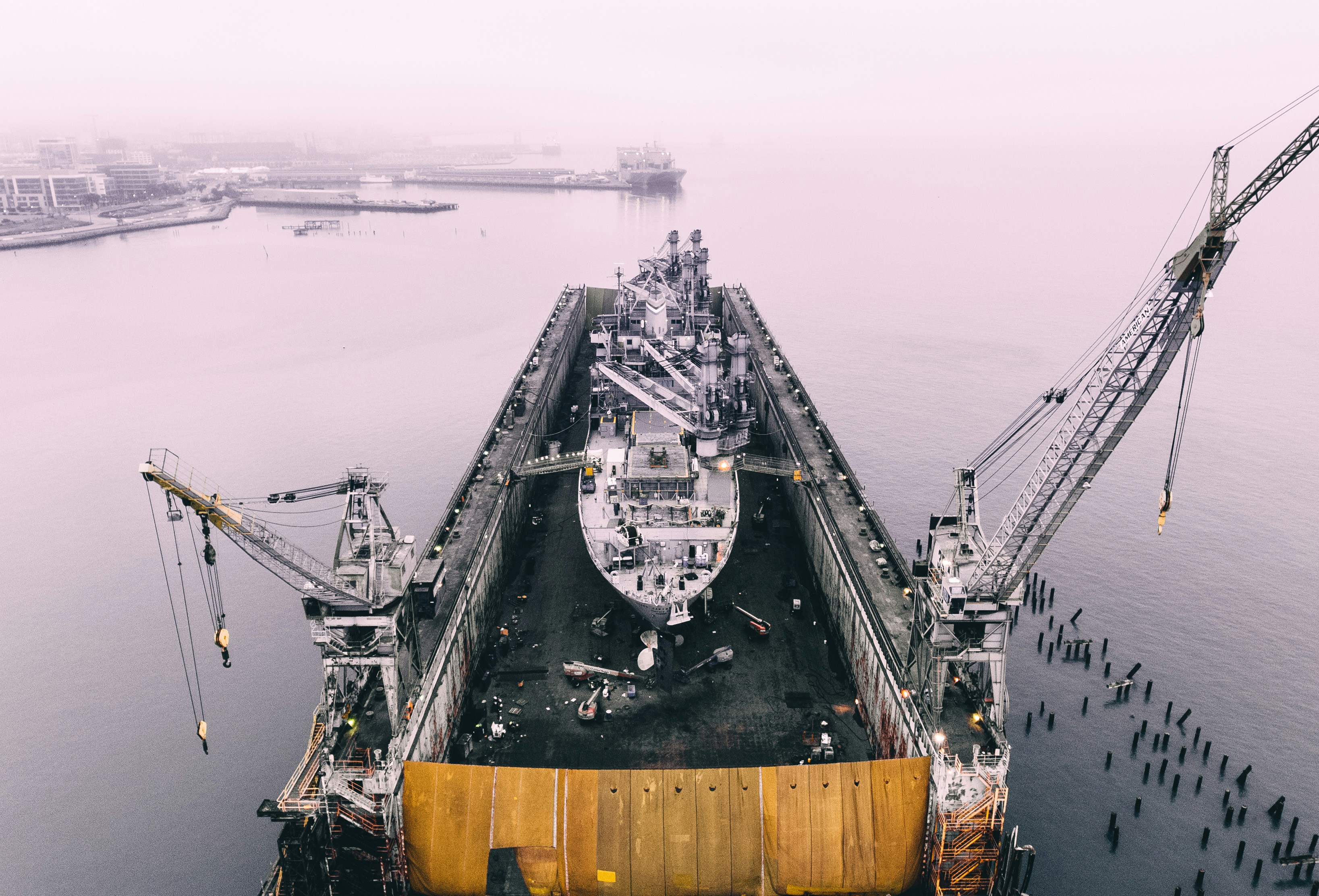
Brouxmen brings engineering, fabrication, marine systems, automation and operational execution into one connected delivery model — built around a simple objective: make the requirement work in the real world.
Brouxmen is built around the complete technical journey — not around isolated trades.
A vessel modification may begin with machinery, then involve structure, power, VFDs, PLC logic, sensors, cabling, navigation systems, installation access and operational constraints. Our role is to keep those dependencies connected from the first technical discussion to testing and handover.
That means engineering is informed by fabrication, fabrication is informed by installation, automation is engineered around the machinery it controls, and field execution remains connected to the technical intent of the project.
Mechanical, structural, electrical, control and operational requirements are considered as parts of the same working system.
Design decisions are made with fabrication, access, installation, maintainability and commissioning in view.
Workshop capability, shipyard execution and onboard troubleshooting keep technical decisions close to the actual work.
Completion is measured by functional testing, rectification and a result that is ready to operate — not simply by activity finished.
Brouxmen combines practical engineering, field execution and system knowledge across six core disciplines. Each capability can support a focused requirement or become part of a larger multidisciplinary scope.
Practical mechanical execution for vessels and shipyards — from heavy gang support and machinery work to thrusters, pumps, valves, piping and onboard rectification.
Brouxmen undertakes hands-on mechanical and engineering work where the job has to be solved onboard, in dry dock or alongside an operating vessel. Our scope can cover heavy gang jobs, dismantling and refitting of machinery, thruster-related works, pump and valve servicing or replacement, piping modifications, alignment, equipment foundations, deck machinery and general mechanical rectification.
The strength is in carrying the job beyond a single maintenance activity. A machinery intervention may require lifting and access planning, fabrication of supports, piping changes, electrical isolation or reconnection, alignment, testing and close-out. Brouxmen can coordinate those interfaces so the mechanical scope is executed as part of the vessel system rather than as an isolated task.
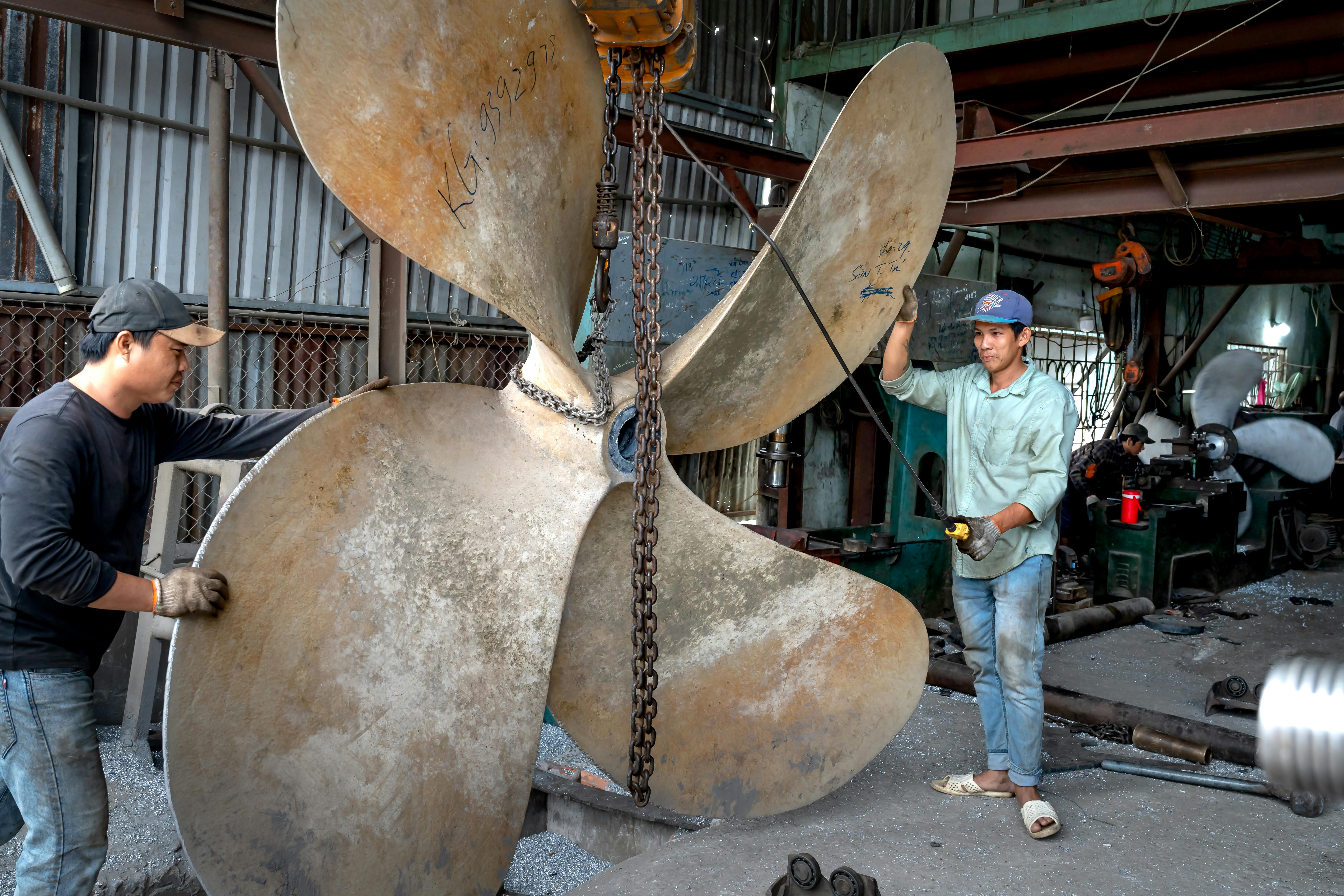
Typical requirements may involve thrusters and propulsion auxiliaries, pumps, valves, heat exchangers, pipelines, winches, deck machinery, machinery foundations, equipment alignment, removal and refit, onboard modifications and troubleshooting support.
The objective is reliable mechanical completion with the equipment correctly installed, aligned, connected, tested and ready for the next stage of vessel operation.
Our delivery logic is designed to keep technical intent and practical execution connected. The sequence adapts to the project, but the objective stays the same: reduce interface gaps and carry responsibility through to functional completion.
Clarify the operating need, technical constraints, vessel or site conditions, interfaces and the result the project must achieve.
Develop the design, technical scope, integration method and execution sequence with buildability and operations in mind.
Fabricate, assemble, configure and resolve as much of the technical work as possible before field mobilisation.
Carry the work into the vessel, yard, workshop or site while maintaining control of mechanical, electrical and operational interfaces.
Commission the integrated result, rectify remaining issues, verify function and close the scope with a usable working outcome.
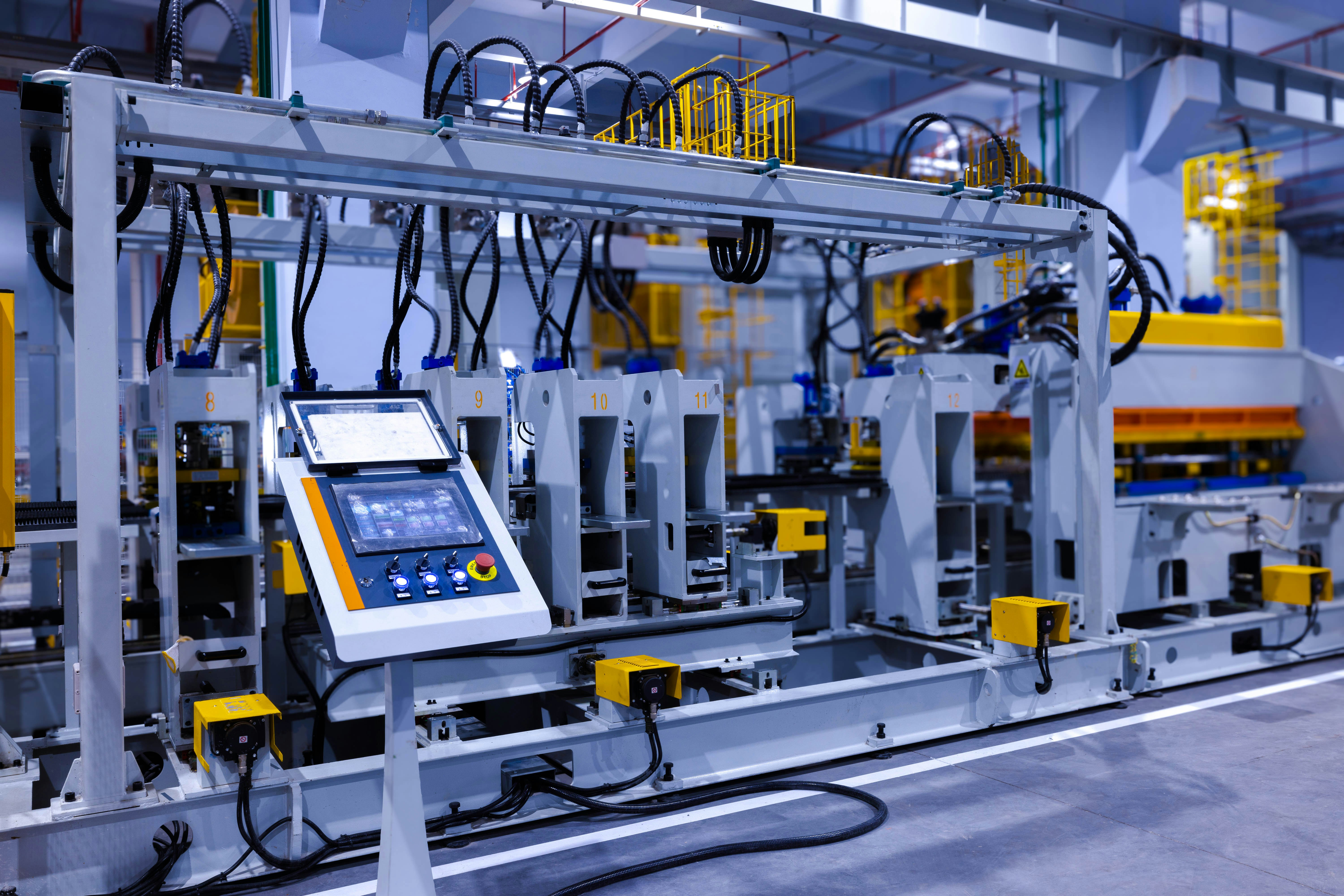
A single equipment modification can become a complete engineering-and-integration project once the vessel interfaces are understood.
This is the reason Brouxmen maintains capability across multiple disciplines: the project can remain technically connected even when the work crosses traditional trade boundaries.
Brouxmen’s potential comes from carrying technical responsibility further than a conventional service boundary.
Engineering and R&D can continue into prototype building. Fabrication can continue into installation. Electrical & Automation can continue from cabling and power distribution through VFD, PLC/HMI, bridge automation and commissioning. NavCom can be coordinated with electrical and onboard modification work. STS operations combine authorization, equipment readiness and experienced marine execution.
The common principle is continuity: understand the requirement, connect the disciplines it needs, execute with technical control and finish with a working outcome.
New developments, engineering, design, R&D, technical definition and prototype work.
Fabrication, electrical systems, automation, NavCom, equipment interfaces and system preparation.
Shipyard work, onboard execution, offshore support, authorized STS operations and technical close-out.
For marine, offshore, automation, STS, engineering or project requirements, contact Brouxmen and the scope can be routed to the team best suited to take it forward.